Why let heritage buildings die... when they could become iconic hotels?
When you imagine transforming a listed or "remarkable" centuries-old building into a lifestyle hotel, it's not just a real estate project.
It's a city project.
And to succeed, you need to play as a team.
Public-private collaboration isn't mandatory, but it's often a powerful accelerator - provided local authorities want the project to happen and understand that a hotel can be much more than just accommodation:
➡ An economic engine,
➡ A guardian of local traditions,
➡ A driver of heritage preservation,
➡ A booster of destination appeal.
Adaptive reuse shows how hospitality can transform and elevate a place, whether public or private :
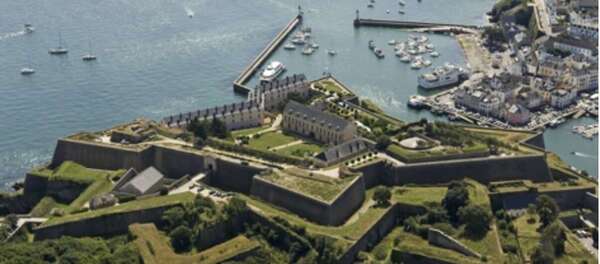
Lifeless castles , dismantled hospitals , closed cinemas, historic old mills... all reinvented as unique hotels that keep culture alive by staying rooted in their location and history.
Hospitality is a guardian of European lifestyle - celebrating recipes, crafts, local makers, and terroirs. It's about building a sustainable future, provided we look beyond the walls.
To get there, you need:
- Aligned strategies at national, regional, and municipal levels,
- An understanding of public sector timelines,
- Patience and active listening to set shared goals,
- Early investment in public-private trust.
From my experience: taking time upfront to align saves countless headaches later.
Major hotel projects aren't solo marathons - they're relays, where every public and private player has a key role.
If you're working on projects combining heritage, hospitality, and adaptive reuse, I'd love to connect!
#Hospitality #Heritage #PublicPrivate #AdaptiveReuse #HotelInvestment #Sustainability #Culture